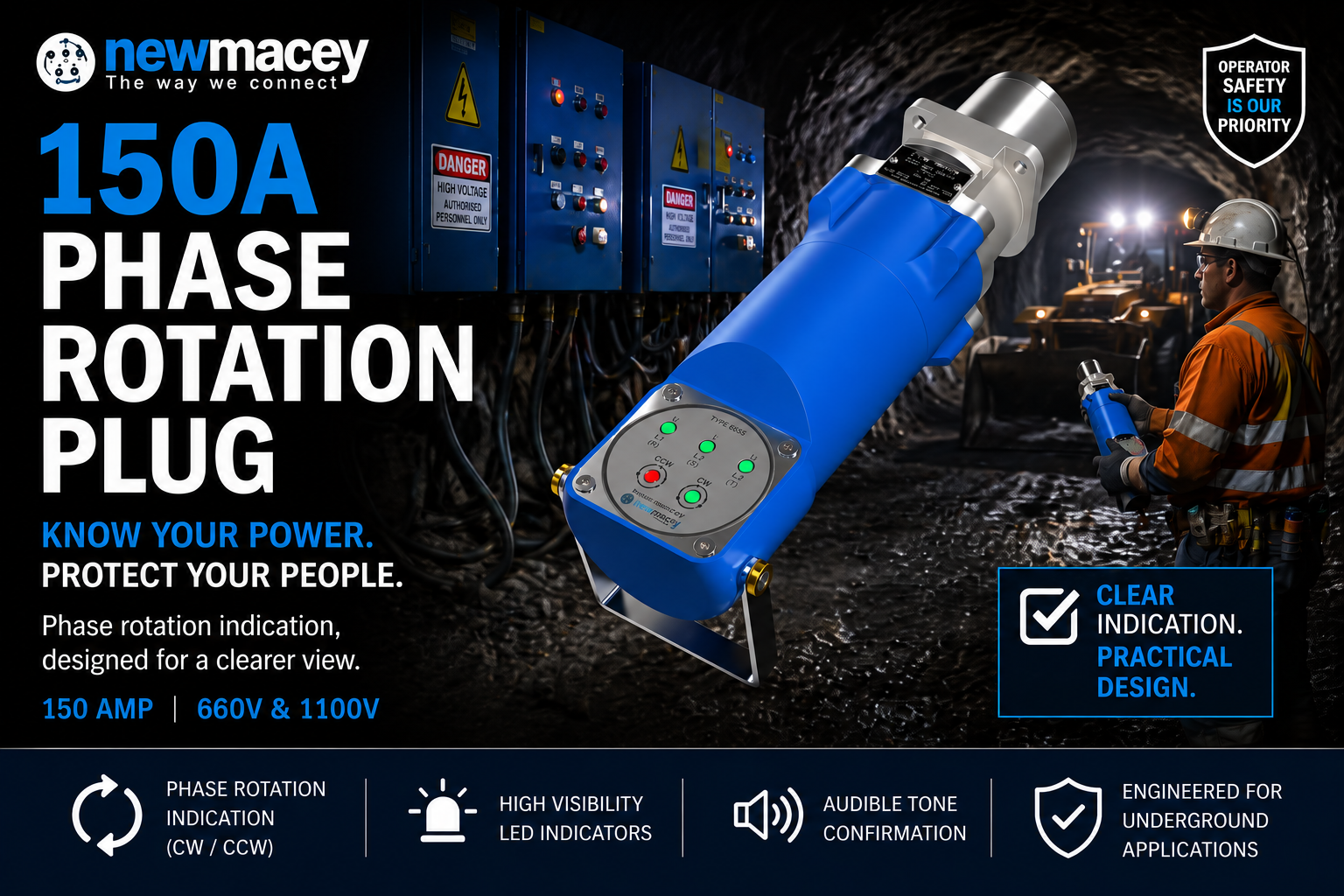





















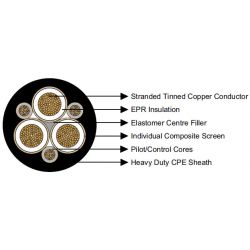

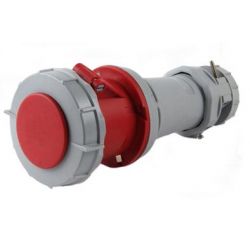
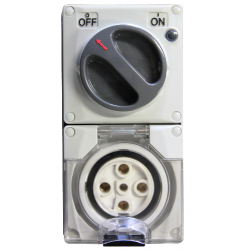
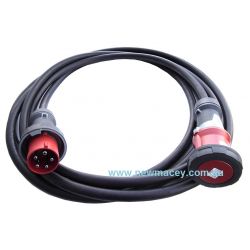
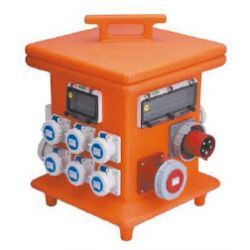



Quick-release connectors. Built for demanding work.
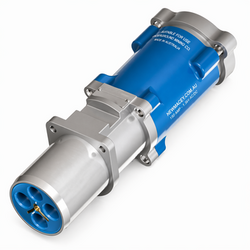
A demanding job deserves more than a standard approach. Our quick-release range brings gear-driven operation, stainless steel construction and Australian manufacturing together in a connected family of solutions.
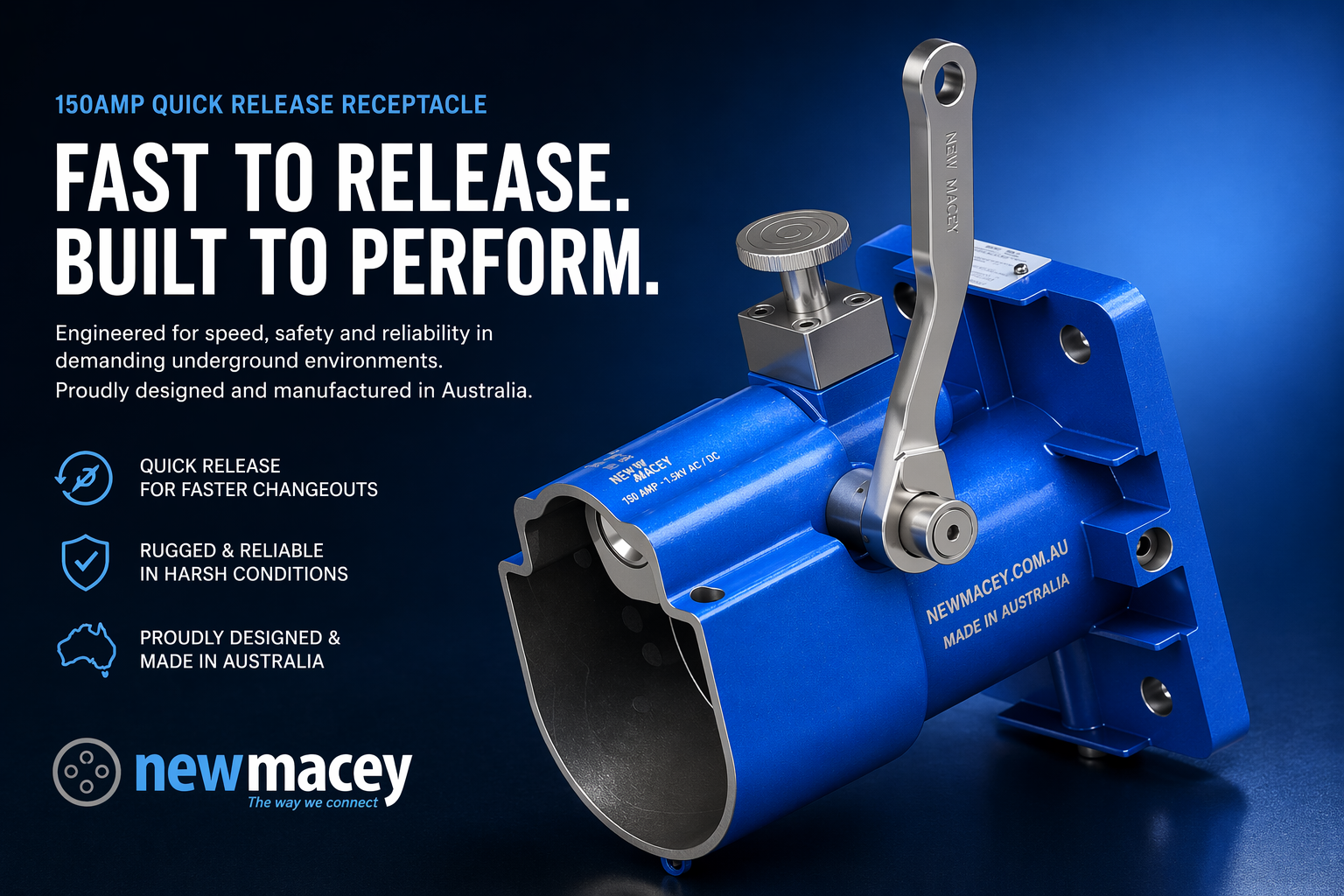
Gear-driven operation
A dedicated quick-release mechanism at the heart of the design.
A connected range
150 amp, 300 amp and 425 amp options, with multiple configurations.
Manufactured in Australia
Keeping production knowledge close to product development.
Designed for the way work happens
Connectors used in demanding industrial environments need to be considered in the context of the job. How will they be mounted? How will the operator reach them? What does connection and disconnection involve in the available space?
Those questions create a brief that goes beyond the electrical connection. They bring handling, construction and configuration into the same design conversation, and make practical experience an important part of product development.
One approach. More ways to connect.
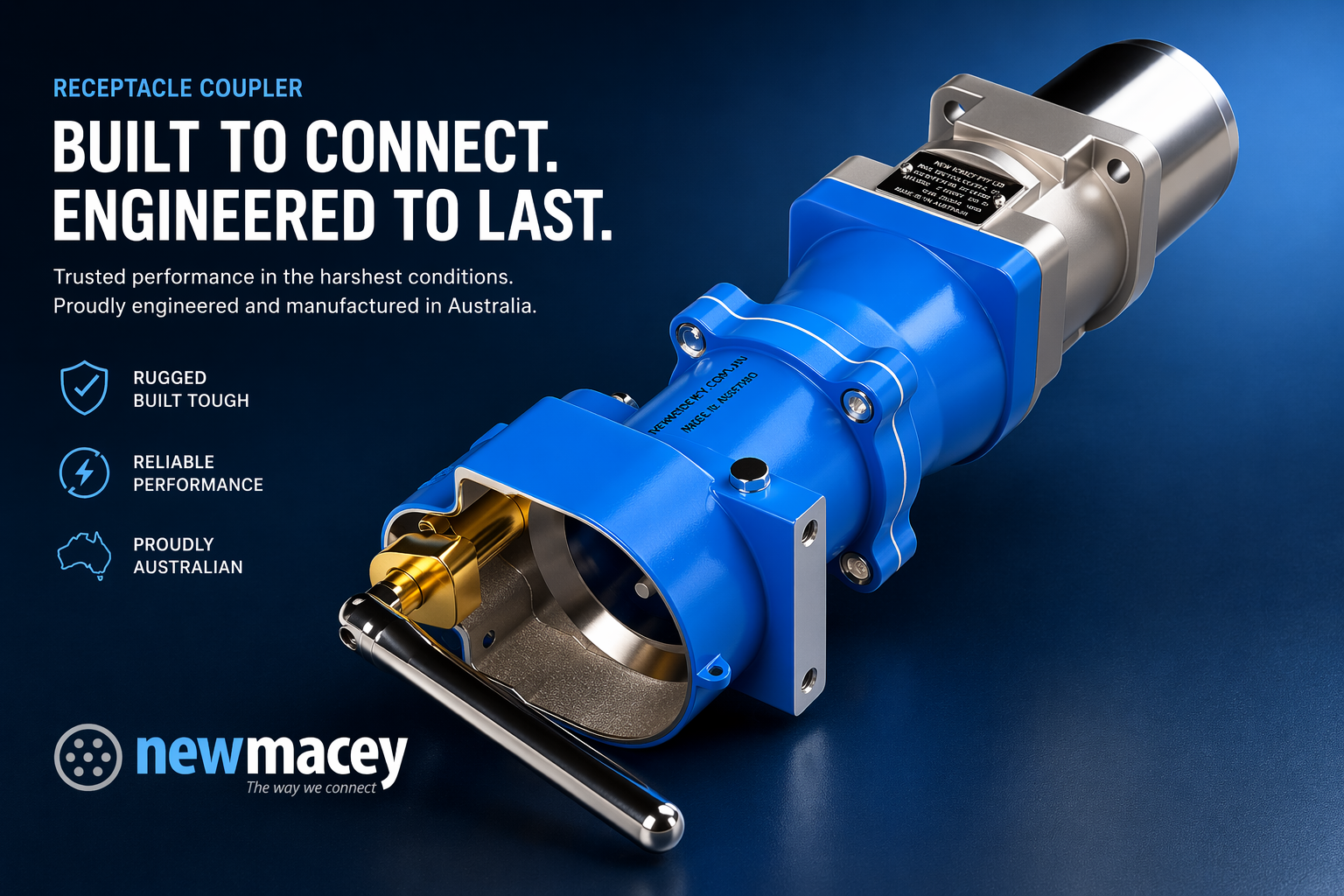
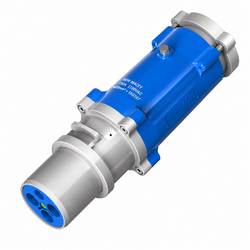
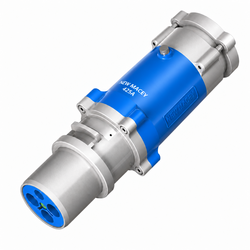
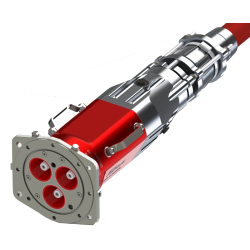
New Macey's quick-release design uses a gear-driven mechanism and stainless steel construction. The range includes 150 amp, 300 amp and 425 amp options, with receptacle, back-to-back, and receptacle gland and bracket configurations.
These configurations give the application a central role in selection. A fixed receptacle and a back-to-back arrangement serve different installation needs, while sharing the design thinking behind the range.
- Gear-driven quick-release operation.
- Stainless steel construction.
- Multiple current ranges and installation configurations.
Built here. Refined through experience.
A useful product family provides more than a single option. It creates a consistent approach that can be considered across different applications, while leaving room for the details of each installation.
Manufacturing the quick-release range in Australia keeps production knowledge close to the development process. Lessons from making, assembling and using a product can inform the next improvement. It is an ongoing conversation between the application, the design and the people doing the work.